
Why People Become More Emotional After Midnight
Have you ever noticed how emotions suddenly feel more intense after midnight? Small problems start feeling huge. Old memories return out of nowhere. Loneliness feels heavier. Even a random song can suddenly make someone emotional for reasons they cannot fully explain.
That strange emotional shift is exactly why so many people relate to conversations about why people become more emotional after midnight. During the daytime, the brain stays distracted by work, conversations, social media, responsibilities, and nonstop stimulation. But late at night, once the world becomes quiet, emotions people ignored all day often start rising to the surface.
And honestly, almost everyone experiences this at some point.
The same thoughts that feel manageable at 2 PM suddenly feel overwhelming at 2 AM.
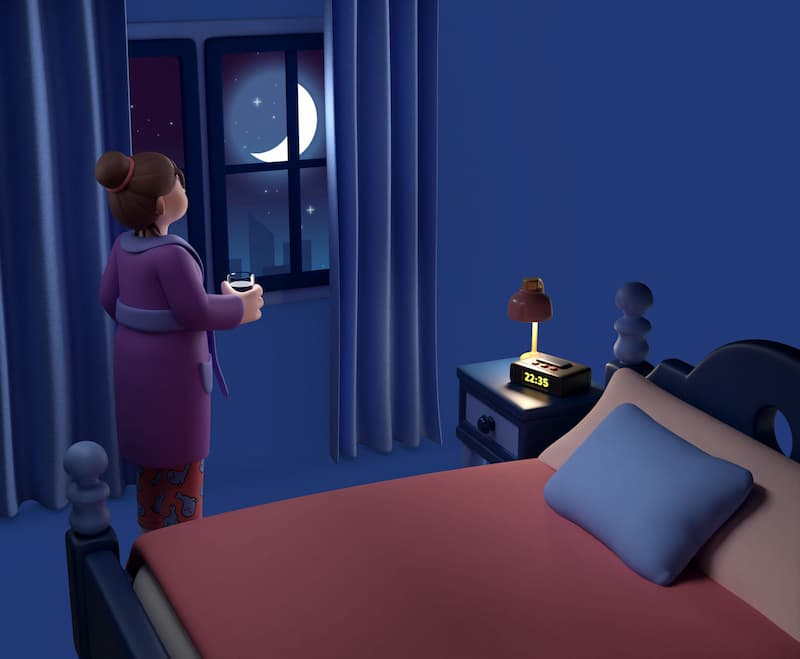
Mental Exhaustion Changes Emotional Control
One of the biggest reasons behind why people become more emotional after midnight is simple mental exhaustion.
By nighttime, the brain has already spent hours processing stress, information, decisions, conversations, and emotional input. That constant stimulation drains mental energy more than people realize.
When the brain becomes tired, emotional regulation weakens naturally. Thoughts become harder to control rationally, which makes emotions feel stronger than usual. Anxiety feels louder. Sadness feels deeper. Overthinking becomes easier to fall into.
This is why people often become emotional over things late at night that would barely affect them during the daytime.
The brain simply does not handle emotion as calmly when it is exhausted.
Silence Makes Hidden Feelings More Noticeable
During the day, distractions protect people emotionally.
There is always something happening: notifications, videos, music, work, people talking, or endless scrolling.
But after midnight, silence takes over.
And that silence changes everything psychologically.
Without constant external stimulation, the brain finally has room to process emotions that stay buried underneath distractions all day long. Stress, loneliness, regret, uncertainty, and emotional exhaustion suddenly become much easier to notice.
That is one major reason why people become more emotional after midnight feels so universal.
The emotions were already there earlier.
Nighttime simply removes the noise that normally hides them.
The Brain Naturally Reflects More at Night
Humans are naturally more reflective after dark.
The environment becomes quieter, slower, and emotionally calmer at night. That atmosphere encourages introspection automatically. People begin thinking about: their lives, relationships, past memories, future worries, or personal insecurities more deeply than usual.
Nighttime creates emotional space for reflection in a way daytime rarely allows.
And honestly, many people spend most of the day functioning on autopilot without fully processing how they actually feel internally. After midnight, that emotional backlog often catches up with them.
Why People Become More Emotional After Midnight During Loneliness
Another major reason why people become more emotional after midnight is loneliness.
Even people who normally feel emotionally stable during the day can suddenly feel isolated late at night. Conversations stop. Messages slow down. The world feels quieter and emotionally smaller after dark.
That silence can make emotional needs feel much stronger: wanting comfort, wanting connection, wanting someone to talk to, or simply wanting to feel understood.
Sometimes people suddenly miss old friends, past relationships, or periods of life where they felt emotionally closer to others.
And honestly, nighttime loneliness often feels heavier because there are fewer distractions available to escape it.
Overthinking Gets Worse After Midnight
Late-night overthinking happens to almost everyone.
The second people try to sleep, the brain suddenly starts replaying: awkward conversations, past mistakes, future fears, imaginary arguments, or unresolved emotional situations.
This happens because the human brain naturally tries solving uncertainty. During the daytime, distractions interrupt that process constantly. But at night, thoughts continue looping without interruption.
That is why small concerns can suddenly feel emotionally enormous after midnight.
Tired minds struggle to maintain perspective, so problems often feel far more dramatic at night than they actually are.
Nostalgia Feels Stronger at Night
Another reason why people become more emotional after midnight is nostalgia.
Late at night, people often think about: childhood, old relationships, past friendships, family memories, or earlier versions of themselves.
Sometimes people are not even missing a specific person or moment.
They are missing: how life used to feel, who they used to be, or emotions connected to another period of life.
Nighttime naturally increases emotional reflection, which makes nostalgia feel much more intense psychologically.
And honestly, certain memories seem to hit differently after midnight in ways people cannot fully explain.
Darkness Changes Emotional Perception
Darkness itself affects the human mind emotionally.
At night, visual stimulation decreases and the environment becomes more intimate psychologically. The brain shifts attention inward instead of outward. Thoughts feel closer. Emotions feel more personal. Memories feel more vivid.
This is part of why nighttime emotions often feel cinematic or unusually deep.
Even ordinary thoughts can suddenly feel emotionally significant after midnight.
That emotional atmosphere is a major part of why people become more emotional after midnight without fully understanding why it happens.
Social Media Quietly Makes Nighttime Emotions Worse
Modern social media has intensified late-night emotions dramatically.
Many people spend late nights scrolling through: happy couples, friend groups, vacations, success stories, or emotional content online.
The brain naturally compares itself to others, especially during emotionally vulnerable moments. Late-night exhaustion makes those comparisons feel even more convincing emotionally.
As a result, people often end up feeling: behind in life, lonely, emotionally disconnected, or insecure without fully realizing why.
And honestly, endless scrolling after midnight often increases emotional exhaustion far more than people expect.
Why People Become More Emotional After Midnight Is Connected to Emotional Honesty
One hidden truth about why people become more emotional after midnight is that nighttime lowers emotional defenses.
During the day, people stay busy enough to avoid difficult feelings. They work, respond to messages, stay productive, and distract themselves constantly.
But after midnight, emotional honesty becomes harder to escape.
People finally acknowledge: what hurts them, who they miss, what they fear, or how emotionally tired they truly are.
Nighttime strips away distraction and forces people to sit quietly with emotions they spent all day avoiding.
And honestly, that emotional honesty can feel overwhelming sometimes.
Humans Become More Aware of Time at Night
Many late-night emotions are connected to awareness of time passing.
People suddenly start thinking about: aging, unfinished dreams, life changes, missed opportunities,
or how quickly years seem to disappear.
- Questions appear naturally:
“Am I wasting time?” - “Am I where I wanted to be in life?”
- “Why does everything feel temporary?”
During busy daytime routines, those thoughts stay buried more easily. But after midnight, the brain becomes more aware of uncertainty, change, and the temporary nature of life itself.
Final Thoughts
The truth about why people become more emotional after midnight is that nighttime creates the perfect environment for emotions to rise to the surface.
- The brain becomes exhausted.
- Silence removes distraction.
- Loneliness feels stronger.
- Nostalgia returns more easily.
- And overthinking grows louder.
That does not mean people are weak or irrational at night.
It simply means humans naturally become more emotionally aware when the world slows down enough for them to finally hear their own thoughts clearly.
And honestly, maybe that is why midnight feels so emotionally intense for so many people.
Because once everything external becomes quiet, people are finally left alone with the feelings they were too busy to notice during the noise of everyday life.