
The Psychology of Overthinking at Night Explained
Almost everyone has experienced nights where the body feels exhausted but the mind refuses to stop thinking. The room is quiet, the lights are off, and somehow the brain suddenly decides it is the perfect time to replay embarrassing memories, analyze the future, question life decisions, and imagine problems that barely mattered during the day.
That’s why conversations about the psychology of overthinking at night feel incredibly relatable online. People who seem completely fine during daytime hours often become trapped inside endless thoughts once nighttime arrives.
And honestly, overthinking at night can feel strangely automatic.
You try to sleep. Then suddenly the brain starts asking:
- “What if I fail?”
- “What if I made the wrong choice?”
- “What if things never improve?”
- “Why did I say that years ago?”
And somehow those thoughts feel emotionally louder after midnight than they do at noon.
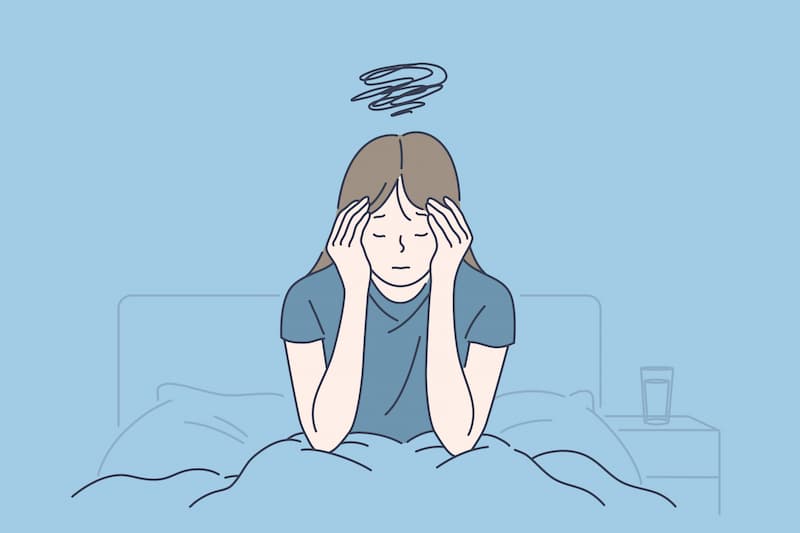
The Psychology of Overthinking at Night Starts With Silence
One major reason behind the psychology of overthinking at night is simple: nighttime removes distraction.
During the day, the brain constantly processes conversations, notifications, tasks, videos, people, noise, and responsibilities.
That endless stimulation keeps many deeper thoughts temporarily buried underneath activity. But once nighttime arrives, external input decreases dramatically.
The world becomes quieter. Attention shifts inward. And unresolved thoughts suddenly become impossible to ignore.
Silence does not create overthinking.
It reveals thoughts that were already waiting underneath distraction all day long.
Exhausted Minds Struggle to Regulate Emotion
Mental exhaustion plays a huge role in nighttime overthinking.
Late at night, the brain becomes less effective at emotional regulation. Tired minds process stress differently, which makes worries feel bigger, memories feel more emotional, and uncertainty feel more threatening.
That’s why small problems suddenly feel enormous at 2 AM.
The brain loses some ability to think calmly and rationally when exhausted. Emotional reactions become amplified because the nervous system is mentally drained after processing stimulation all day long.
And honestly, many nighttime fears feel much smaller again the next morning for exactly this reason.
The Brain Tries to Solve Unfinished Problems
Humans naturally dislike uncertainty psychologically.
The brain constantly tries solving unresolved situations: future concerns, relationship issues, unfinished goals, social anxiety, or unanswered emotional questions.
At night, without daytime distractions interrupting the process, the mind often becomes obsessed with “solving” everything at once.
That’s why people replay awkward conversations, past mistakes, future scenarios, or imagined problems repeatedly before sleep.
The brain mistakenly believes overthinking might create emotional control or certainty.
Unfortunately, it usually creates the opposite.
The Psychology of Overthinking at Night Is Connected to Anxiety
Another major reason the psychology of overthinking at night feels so intense is anxiety.
Anxious minds naturally scan for potential problems constantly. During busy daytime hours, distraction temporarily weakens that process. But at night, anxiety suddenly becomes more noticeable because there is less external stimulation competing for attention.
The brain starts searching for future threats, social mistakes, uncertainty, or emotional danger.
And because nighttime already feels emotionally quieter and more vulnerable psychologically, anxious thoughts become much easier to hear internally.
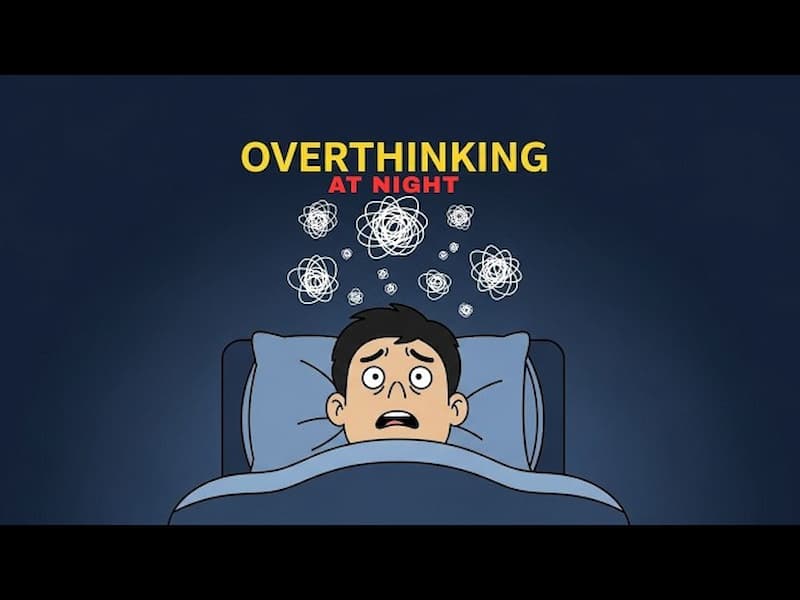
Nighttime Creates Emotional Vulnerability
Humans are emotionally softer at night.
Darkness, silence, exhaustion, and physical stillness naturally create vulnerability psychologically. That emotional openness makes people more reflective about life, relationships, loneliness, purpose, identity, or regrets.
Thoughts people successfully avoid during the day suddenly become emotionally visible.
Nighttime often forces emotional honesty; people rarely allow themselves during busy hours.
Overthinking Often Comes From Emotional Avoidance
One uncomfortable truth is that many people suppress emotions throughout the day without realizing it.
People stay busy constantly working, scrolling, replying, watching content, or distracting themselves.
But buried emotions do not disappear simply because they are ignored temporarily.
At night, once distractions stop, emotional backlog returns stress, loneliness, regret, fear, sadness, or uncertainty.
Overthinking is sometimes the brain’s attempt to process emotions people never gave themselves time to feel earlier.
The Psychology of Overthinking at Night and Social Comparison
Modern social media intensified the psychology of overthinking at night dramatically.
Late at night, many people scroll through successful people, happy couples, career milestones, friend groups, or carefully edited lifestyles online.
The brain naturally compares itself socially, especially during emotionally vulnerable hours.
Suddenly people start thinking:
- “Why am I behind?”
- “What am I doing with my life?”
- “Why does everyone else seem happier?”
And honestly, nighttime exhaustion makes comparisons feel emotionally more convincing than they actually are.
Loneliness Makes Thoughts Louder
One hidden reason overthinking becomes intense at night is loneliness.
When humans feel emotionally disconnected, the brain becomes more focused on unresolved emotional needs: connection, validation, comfort, certainty, or understanding.
Nighttime isolation amplifies those feelings because social activity decreases. Quiet rooms and dark environments make emotional emptiness feel more noticeable psychologically.
That’s why overthinking often becomes strongest during periods where people feel emotionally alone internally.
The Brain Replays Embarrassing Memories for a Reason
One funny but frustrating aspect of nighttime overthinking is random embarrassment suddenly returning years later.
The brain replays awkward memories because humans evolved to learn socially from mistakes. Social acceptance historically mattered for survival, so the brain became highly sensitive to situations involving embarrassment or rejection.
At night, those memories resurface because the mind starts reviewing unresolved emotional experiences automatically.
And honestly, almost everyone has experienced suddenly remembering something embarrassing from years ago while trying to sleep for absolutely no logical reason.
The Psychology of Overthinking at Night Is Also About Control
Humans psychologically crave certainty and control.
Overthinking creates the illusion that if people analyze situations enough, they can prevent mistakes, pain, or uncertainty completely.
So the brain keeps running endless mental simulations:
- “What if this happens?”
- “What should I do?”
- “How do I avoid failure?”
But life itself is uncertain by nature.
And unfortunately, overthinking rarely creates true emotional safety. It usually just creates exhaustion.
Why Everything Feels More Dramatic at Night
One important thing about nighttime thinking is that emotions naturally feel amplified after dark.
The brain is tired. The environment is quiet. Distractions are gone. And people are physically alone with their thoughts.
That combination makes: fear feel scarier, regret feel heavier, loneliness feel deeper, and uncertainty feel larger than it might during daytime hours.
Nighttime changes emotional perception psychologically.
That’s why many thoughts that feel overwhelming at 1 AM seem manageable again by morning.
The Psychology of Overthinking at Night and the Fear of Time
Many people overthink at night because nighttime creates awareness of time itself.
People suddenly realize life moves quickly, years pass fast, relationships change, or dreams remain unfinished.
Questions appear:
- “Am I wasting time?”
- “Am I becoming who I wanted to become?”
- “What if life never changes?”
During busy daytime routines, those existential thoughts stay hidden more easily. But nighttime reflection often exposes deeper fears about purpose, identity, and the future.
Some People Fear Silence Because It Reveals Too Much
Modern humans rarely experience true silence anymore.
Phones, videos, music, notifications, and constant entertainment fill almost every moment automatically. That endless stimulation protects many people from confronting difficult emotions internally.
Nighttime removes much of that protection.
And honestly, some people are not afraid of silence itself.
They are afraid of the thoughts waiting underneath it.
Final Thoughts
The truth about the psychology of overthinking at night is that nighttime removes distraction and increases emotional awareness.
The brain becomes quieter externally but louder internally. Exhaustion weakens emotional regulation.
Unresolved thoughts return. And deeper fears become harder to ignore.
That doesn’t mean something is wrong with people who overthink at night.
It simply means humans naturally reflect more deeply when the world slows down enough for them to finally hear their own thoughts clearly.
And honestly, maybe that’s why nighttime feels emotionally intense for so many people.
Because once everything external becomes silent, people are finally left alone with the parts of themselves they spent all day trying not to think about.